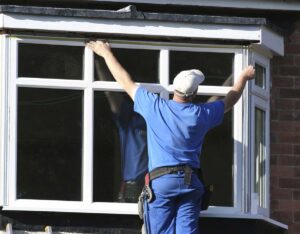
17 Reasons Not To Not Ignore Double Glazing Pros And Cons


Double Glazing: Pros and Cons
Double glazing has actually ended up being an increasingly popular option for property owners seeking to enhance the energy efficiency and convenience of their homes. This short article checks out the pros and cons of double glazing, assisting prospective purchasers make notified choices about their window solutions.
What is Double Glazing?
Double glazing includes installing two panes of glass in a window frame, with a space in between that is typically filled with an inert gas, such as argon or krypton. This design not just boosts insulation but also supplies noise reduction and extra security compared to single-glazed windows.
Advantages of Double Glazing
The advantages of double glazing are various:
Energy Efficiency
- One of the main advantages of double glazing is energy effectiveness. top double glazing installation insulating residential or commercial properties of the 2 glass panes considerably reduce heat loss throughout the winter season and keep homes cooler in the summer. This helps lower energy costs and lowers dependence on heating and cooling systems.
Noise Reduction
- Double glazed windows can considerably minimize outdoors noise. The air space between the two panes functions as a buffer that dampens acoustic waves, making indoor environments quieter and more comfortable.
Enhanced Security
- Double glazing provides extra security against potential burglaries. The 2 layers of glass are more difficult to permeate than a single sheet, which serves as a deterrent for intruders.
Increased Property Value
- Residences with double glazing are typically more appealing to buyers, as this feature shows modernity and energy performance. Updating to double glazing can boost property worth and appeal throughout sales.
Minimized Condensation
- With enhanced insulation, double glazing reduces the threat of condensation forming inside the windows. This is particularly crucial for preventing mold development, which can adversely impact air quality and health.
Low Maintenance
- Double glazed windows often require less upkeep than single glazing. They are usually made with long lasting products that resist wear and tear, decreasing the frequency of repair work and replacements.
Downsides of Double Glazing
While double glazing deals multiple advantages, there are likewise some drawbacks to think about:
Initial Costs
- The installation of double glazed windows can be considerably more costly than single glazed alternatives. Property owners need to weigh these in advance expenses versus potential long-term savings on energy costs.
Replacement Issues
- If a double-glazed unit ends up being broken or fails (such as seal failure), the whole window unit may require to be changed instead of just a single pane. This can lead to higher repair expenses.
Restricted Benefits in Mild Climates
- In areas with moderate weather, the advantages of double glazing may not be as noticable. Property owners in these climates may discover that single glazing suffices for their requirements.
Heavier Materials
- Double glazed windows usually weigh more than single glazed windows, which may need additional support structures and can potentially increase setup complexity and expense.
Less Natural Light
- Depending upon the style and quality of the windows chosen, double glazing can decrease the transmittance of natural light into a home. Homeowners require to think about the design and coatings of the glass utilized.
Comparing Costs: Single vs. Double Glazing
Here's a relative take a look at the expenses associated with single versus double glazing:
| Feature | Single Glazing | Double Glazing |
|---|---|---|
| Preliminary Cost | Lower | Greater |
| Energy Efficiency | Lower | Higher |
| Noise Reduction | Minimal | Significant |
| Maintenance | Moderate | Low |
| Security | Medium | High |
| Residential Or Commercial Property Value Impact | Very little | Positive |
Frequently Asked Questions about Double Glazing
Is double glazing worth the financial investment?
- Yes, while the initial cost might be greater, the long-lasting cost savings on energy expenses and increased residential or commercial property worth can make double glazing a worthwhile financial investment.
How long do double-glazed windows last?
- Double-glazed windows usually have a life expectancy of 20 to 35 years, depending on the quality of products and setup.
Can I change just one pane of a double-glazed system?
- In most cases, if only one pane is harmed, the whole system requires to be changed. The seals in between the panes can often be compromised, resulting in wetness problems.
Do double-glazed windows block UV rays?
- Yes, double-glazed windows can block a substantial quantity of UV rays, thus safeguarding your furnishings and important items from fading.
Are there any alternative options to double glazing?
- Alternatives consist of triple glazing, secondary glazing, and window films, each with its own benefits and drawbacks.
In summary, double glazing is a valuable investment for lots of house owners, using many benefits such as energy performance, noise reduction, and boosted security. Nevertheless, the preliminary costs and prospective problems developing from replacements should likewise be thoroughly thought about. By weighing the benefits and drawbacks detailed in this article, house owners can make informed decisions concerning the kind of glazing that best fits their needs and situations. Despite the option made, the ultimate objective is to create a comfy, energy-efficient living environment.